The Therapeutic Power of Water
Why Physiotherapists Love Aquatic Exercise:
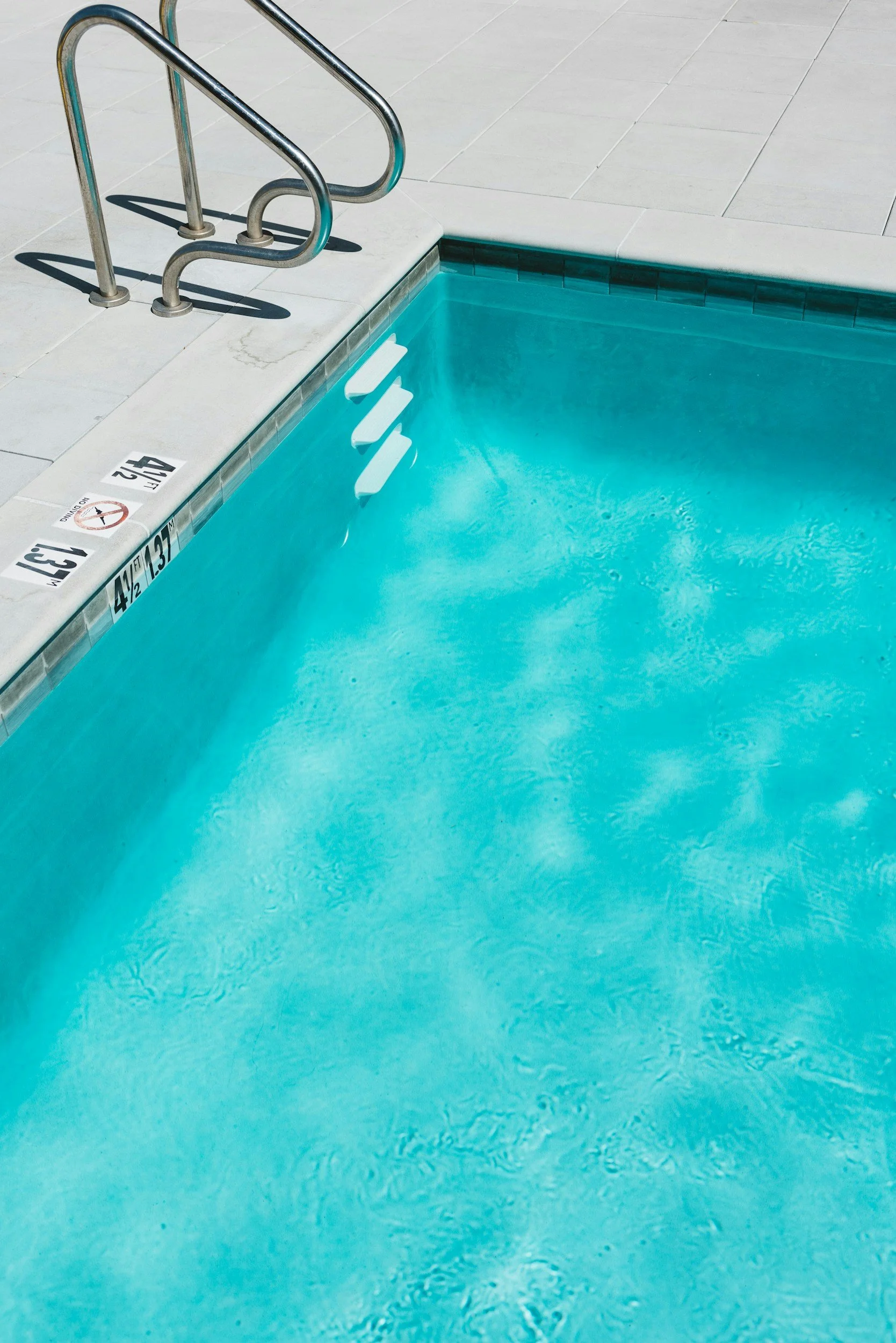
As Physiotherapists, the most effective rehabilitation environments isn't always the clinic. The swimming pool can be a useful facility to utilise if possible. Water-based exercise or training, also known as aquatic therapy or hydrotherapy, can provide a supportive, low-impact environment that helps clients move with less discomfort, build strength, and regain confidence in their overall ability. Whether you’re recovering from injury, surgery, managing a chronic condition, or simply looking to stay active with less strain on your joints, aquatic exercise may be one of the most beneficial additions to your routine.
If you’re looking for a low-impact, supportive, and effective way to build strength, mobility, and confidence in movement, aquatic exercise may be the ideal. As Physiotherapists, we often the use of water-based exercises as a bridge between early rehabilitation and full return to activity.
Natural Resistance for Strengthening
While water reduces joint load and tension, it can also provide gentle, consistent resistance in different directions. Unlike traditional weights, the resistance automatically adjusts to your effort, making it both safe and effective.
This makes aquatic exercise ideal for:
Rebuilding muscle strength
Improving control and stability
Retraining movement patterns
Reduced Load on Joints
One of the biggest advantages of exercising in water is buoyancy. Water supports up to 80–90% of body weight when submerged to chest level. For individuals with arthritis, high BMI, or post-surgical limitations, this can improve the ability to move with less discomfort.
This reduces the impact through your:
Knees
Hips
Spine
Ankles
Enhanced Mobility and Flexibility
Warm-water pools can help relax muscles and increase blood flow, making it easier to stretch and move through stiff joints. Many patients report they can move more freely in water than they can on land.
This can be particularly helpful for:
Ongoing pain
Post-operative stiffness
Long-term mobility issues
Improved Balance and Stability
Water’s viscosity slows down movement, giving people time to react and regain balance. The water acts as a protective cushion, which can help reduce fear of falling and improve confidence.
It’s an excellent training environment for:
Older adults at risk of falls
Clients with neurological conditions
Those working on post-injury balance retraining
Safe Cardiovascular Training
For people who find high-impact exercise painful or intimidating, aquatic workouts offer an excellent alternative. Activities such as water walking, gentle jogging, or cycling movements can elevate heart rate without overloading the joints.
Water-based cardio can improve:
Heart health
Endurance
Circulation
Suitable for Different Fitness & Ability Levels
Warm water can help decrease muscle spasm, and improve relaxation. Combined with gentle movement, aquatic therapy often leads to immediate pain relief and improved comfort long after leaving the pool.
Recovering from surgery
Living with chronic conditions (arthritis, MS, fibromyalgia)
Older adults
Athletes cross-training or rehabbing an injury
