


The Therapeutic Power of Water
Water-based exercise, also known as aquatic therapy can offer a uniquely supportive, low-impact environment that helps reduce pain, improve mobility, and build strength safely. Physiotherapists often use the pool as a powerful tool for rehabilitation, making movement easier on the joints while providing natural resistance to support recovery and fitness at any level.
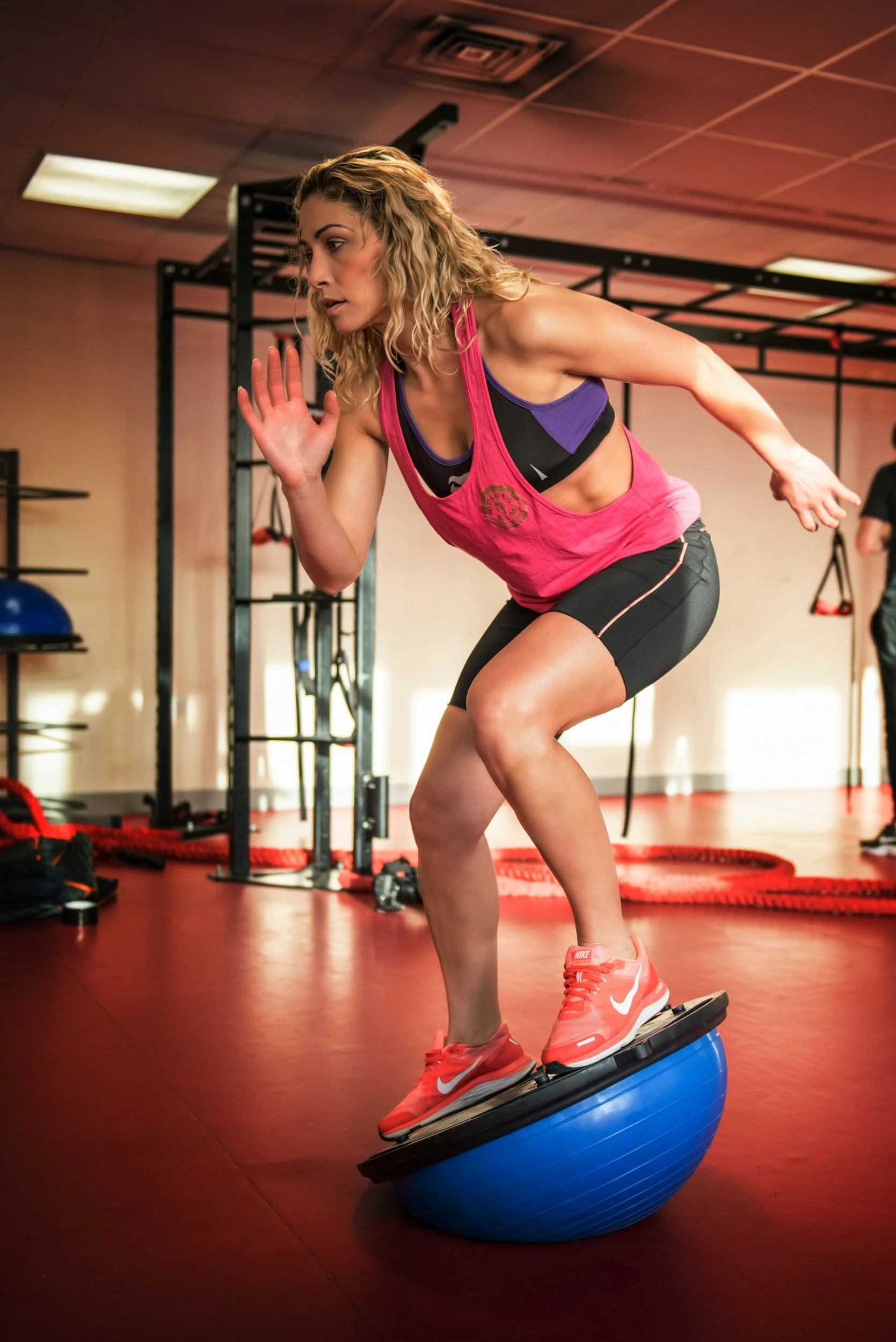
Do You Always Need Surgery After an ACL Injury?
Torn your ACL and unsure about surgery? An ACL tear doesn’t always mean surgery. Discover when ACL surgery is needed, when physiotherapy can work instead, and explore treatment options, recovery timelines, and return-to-activity considerations.

ACL Injury Treatment & Early Rehab: How Physiotherapy Supports Recovery
Early ACL rehabilitation is essential for reducing knee pain and swelling, restoring full movement, and improving strength after an ACL tear or reconstruction. Learn how physiotherapy supports recovery in the early stages.
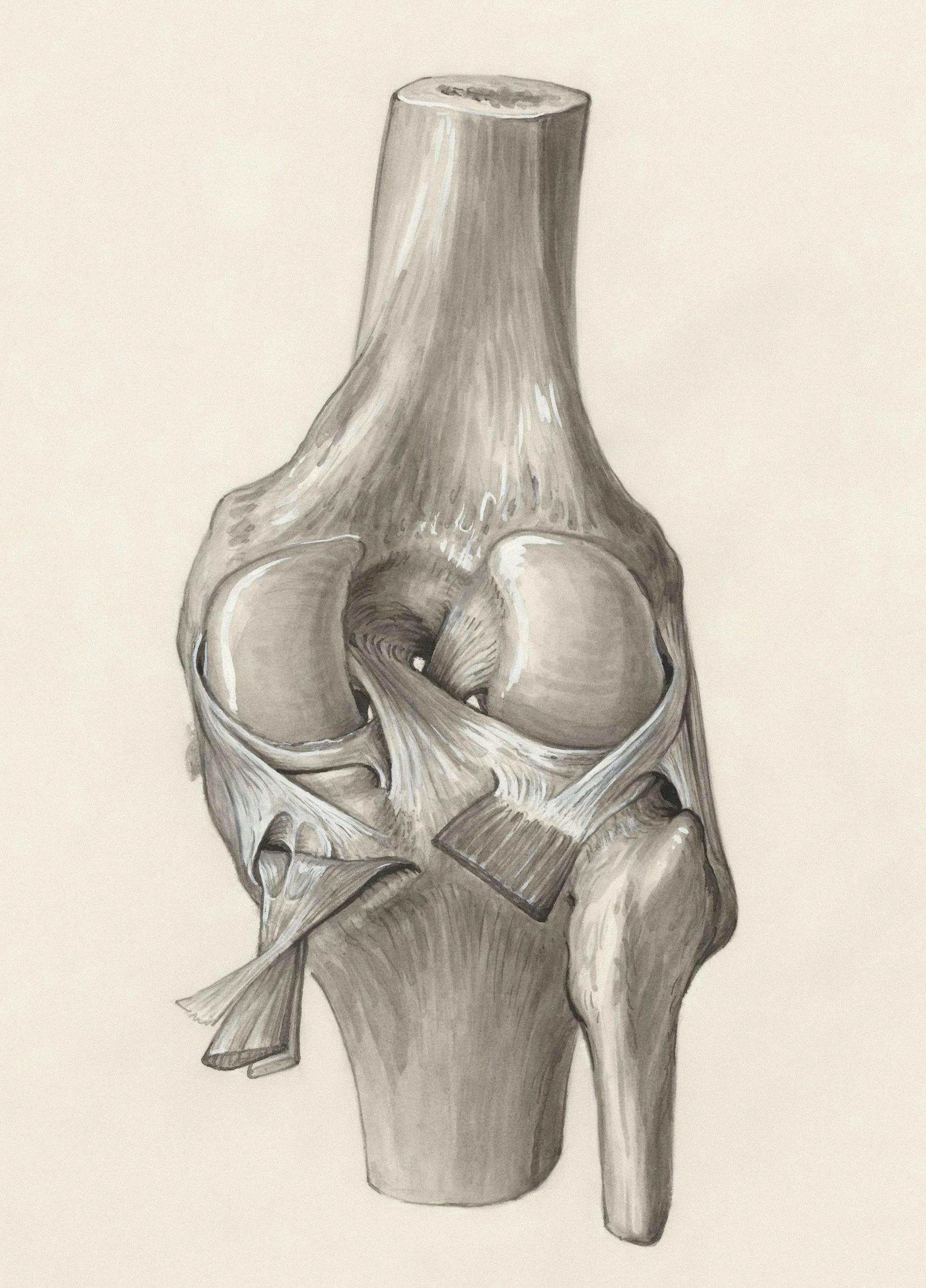
Types of ACL (Grafts) Surgery
Considering ACL reconstruction surgery? Discover the different types of ACL grafts — including patellar tendon, hamstring, quadriceps, and donor (allograft) options. Each graft type offers unique benefits depending on your age, activity level, and lifestyle. Understand how the right graft choice can improve knee stability, speed up recovery, and reduce pain after ACL surgery.

ACL Injury: Causes, Symptoms & Treatment
The anterior cruciate ligament is an important ligament that helps stabilise the knee joint. Unfortunately, ACL injuries are common, particularly among athletes engaged in sports that involve sudden stops, changes in direction, or jumping. It usually occurs when the ACL, one of the major ligaments in the knee, tears or stretches beyond its normal capacity.