Whether you are a regular gym-goer, a competitive athlete or simply someone who enjoys staying active, looking after your muscles, tendons and joints is essential. Exercise places demands on the body, and without adequate recovery, muscle tightness, fatigue and discomfort can begin to affect your performance and everyday movement.
One treatment that can help support muscle recovery, improve mobility and keep you moving more comfortably is sports massage therapy. At MSK Physiotherapy London (Fitzrovia and Euston), our team uses sports massage as part of a personalised approach to musculoskeletal health, helping clients manage muscle tension, support recovery and maintain an active lifestyle.
What Is Sports Massage?
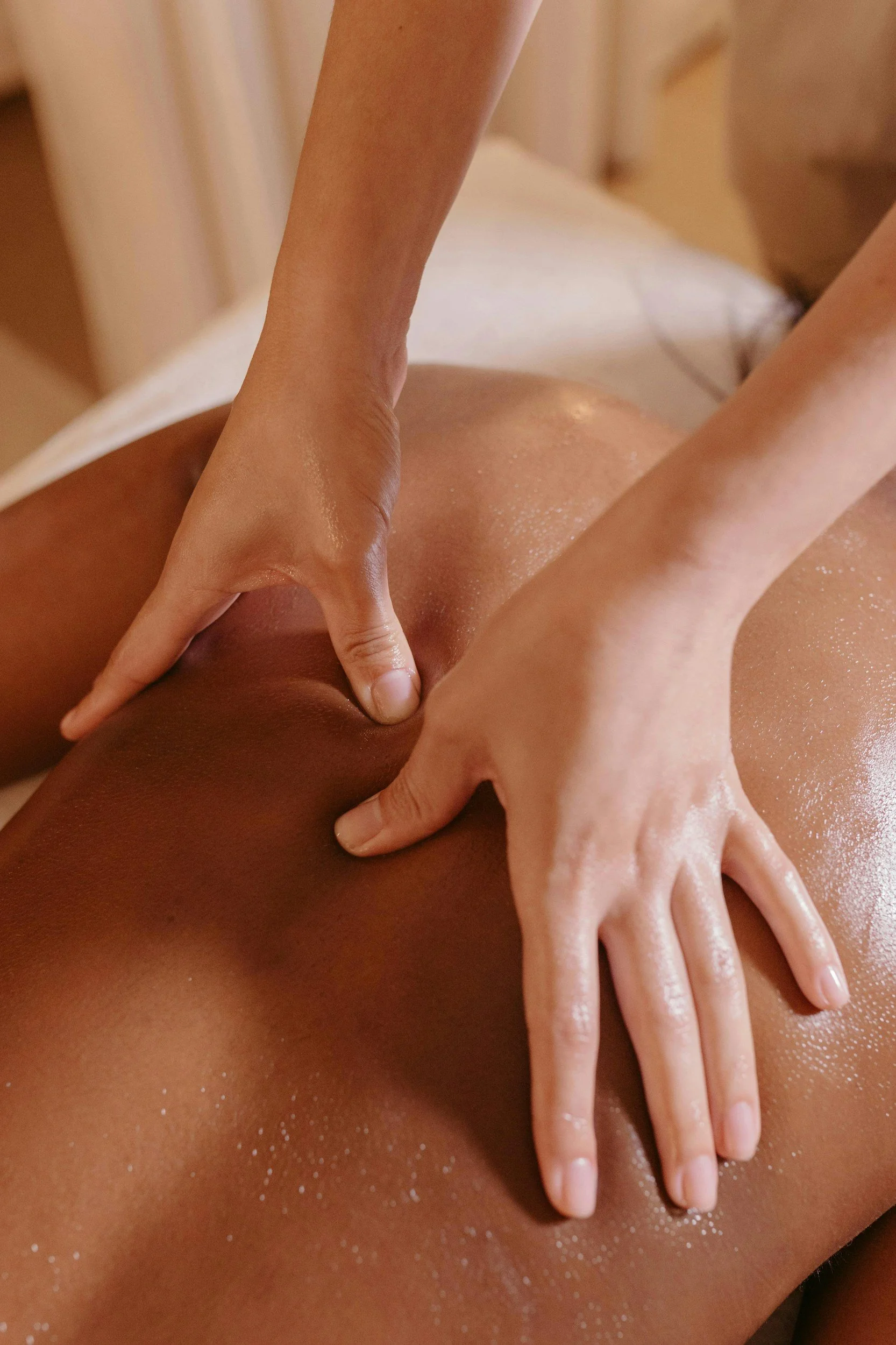
Sports massage is a hands-on treatment that focuses on muscles and other soft tissues to help address tension, discomfort and movement stiffness. Sports massage can benefit anyone who experiences soft tissue tightness or participates in regular physical activity. Unlike a traditional relaxation massage, sports massage therapy is often tailored to the individual's activity levels, physical demands and treatment goals.
A qualified Sports Massage Therapist may use a combination of techniques: The techniques used will depend on your individual needs, symptoms and treatment goals.
Deep Tissue Massage: Applies sustained pressure to deeper layers of muscle and connective tissue to address areas of tension.
Effleurage: Gentle, gliding strokes used to warm up the tissues and prepare the muscles for treatment.
Petrissage: Kneading and lifting techniques designed to work through muscle tissue.
Myofascial Techniques: Techniques targeting the connective tissue surrounding muscles to help improve comfort and mobility.
Trigger Point Techniques: Focused pressure applied to sensitive areas within muscles that may contribute to referred discomfort.
Benefits of Sports Massage Therapy
Reduce Muscle Tension - Muscle tightness can develop following exercise, repetitive movements, prolonged sitting or physically demanding activities.
Supports Exercise Recovery - Following exercise, muscles can feel fatigued, tight and sore. Sports massage may help reduce the perception of post-exercise soreness and improve short-term recovery comfort. It should be combined with adequate rest, hydration, nutrition and appropriate training management.
Aiding Flexibility & Mobility - Restricted movement can affect your ability to exercise effectively and perform everyday activities. Sports massage may help improve short-term flexibility and range of movement by reducing muscular discomfort and addressing soft tissue restrictions.
Helps Manage Delayed Onset Muscle Soreness - Have you ever completed a workout and experienced muscle soreness a day or two later? This is known as delayed onset muscle soreness (DOMS). It commonly develops after unfamiliar or intense exercise. Sports massage may help reduce the severity of perceived muscle soreness and improve comfort during recovery. However, it is important to remember that DOMS is a normal response to exercise.
Supports Injury Recovery - Muscle fatigue, poor training management and sudden increases in exercise intensity can contribute to injury risk. Sports massage can form part of a wider injury routine by helping individuals monitor soft tissue discomfort.
Promotes Relaxation & Wellbeing - Physical activity and everyday stress can both contribute to muscular tension. Sports massage therapy can provide an opportunity to relax while addressing areas of discomfort.
Frequently Asked Questions:
-
Sports massage may be useful as part of a wider rehab plan, particularly when muscular tension or soft tissue discomfort is contributing to your symptoms. However, it is important to understand that massage is not a standalone treatment for every sports injury. Conditions such as muscle tears, ligament sprains, tendon injuries and joint problems may require a more comprehensive physiotherapy assessment.
-
If you have never experienced sports massage before, you may be wondering what to expect.
At MSK Physiotherapy London, your appointment begins with a discussion about your activity levels, medical history, symptoms and treatment goals.
Your experienced therapist will then identify the areas that may benefit from treatment and explain the techniques they intend to use.
During the massage, pressure and techniques will be adjusted to your comfort and individual requirements.
You may experience some temporary tenderness, particularly when treating areas of increased muscular sensitivity. However, sports massage should not feel intolerably painful. Following your appointment, your therapist may provide advice on stretching, exercise, hydration and recovery.
-
There is no universal schedule for sports massage. The ideal frequency depends on several factors, including:
How often you exercise.
The intensity of your training.
Your recovery requirements.
Whether you are experiencing muscular discomfort.
Your individual treatment goals.
Some people benefit from occasional appointments following particularly demanding training sessions, while others may prefer regular treatments as part of their exercise and recovery routine.
Your Physiotherapist or Sports Massage Therapist can recommend a suitable approach based on your circumstances.
Book Your Sports Massage Appointment Today
Whether you are training for your next event, managing muscular tightness or simply looking to support your recovery, sports massage therapy may be a valuable addition to your health and fitness routine. At MSK Physiotherapy London, we provide tailored sports massage therapy treatments to help you move more comfortably and stay active.
Discounted Rates & Packages Available.
Contact Us To Discuss Further & Book Your Session.
