A spinal cord injury can have a life-changing impact on an individual's movement, strength, balance and independence. Depending on the severity and location of the injury, it may affect the ability to walk, perform everyday activities, maintain posture or carry out tasks independently.
However, with the right treatment and rehabilitation approach, many individuals can improve their physical function, develop new skills and achieve a better quality of life. Neuro Physiotherapy plays a vital role in spinal cord injury rehabilitation, helping individuals maximise their physical abilities, work on secondary complications and towards meaningful recovery goals.
What Is a Spinal Cord Injury?
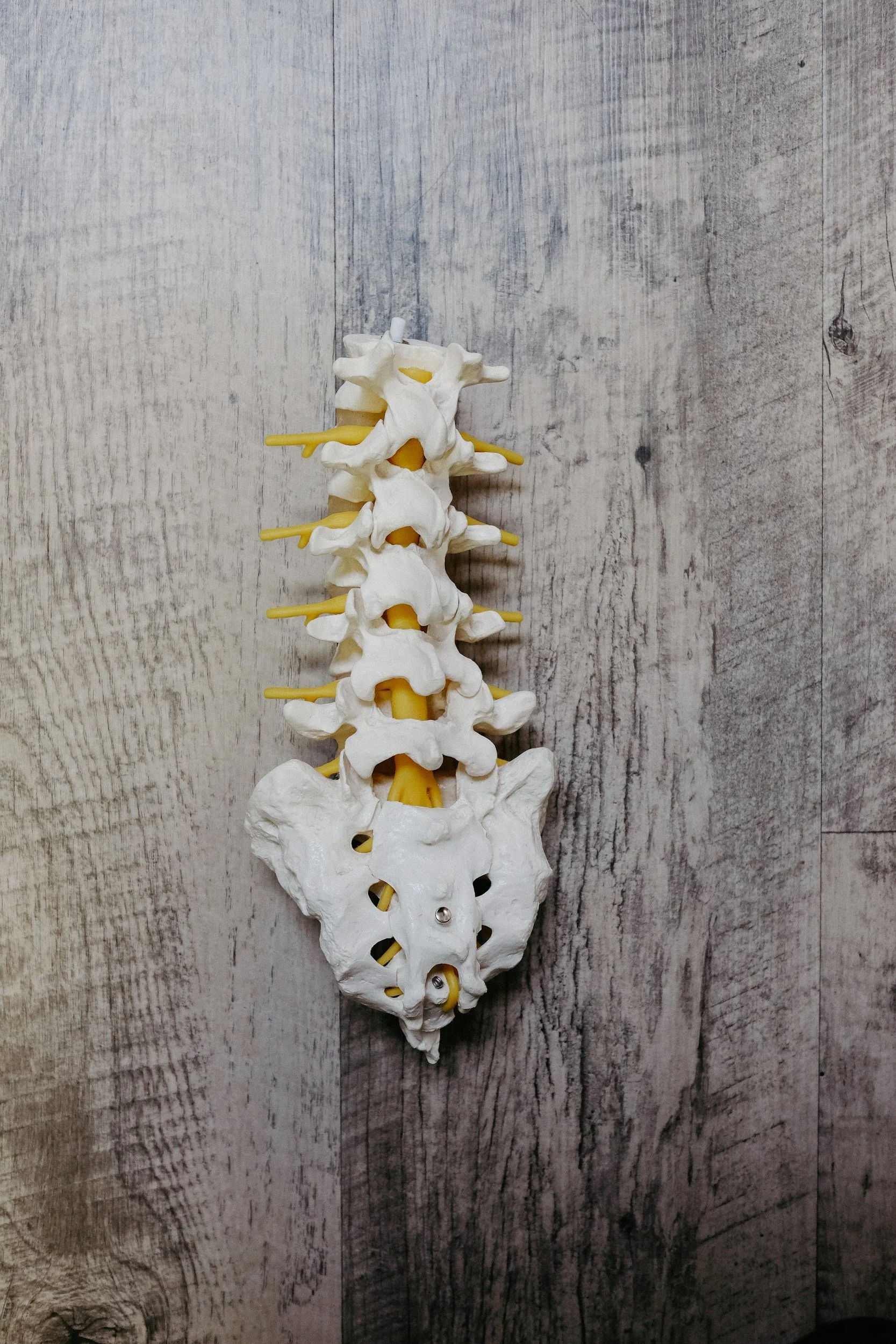
A spinal cord injury occurs when damage to the spinal cord disrupts communication between the brain and the rest of the body. The spinal cord is a vital part of the central nervous system, responsible for transmitting sensory information and motor signals that allow us to move, feel and control various bodily functions.
Spinal cord injuries may result from trauma, accidents, falls, sports injuries or medical conditions affecting the spinal cord.
The severity of a spinal cord injury depends on the level of injury and whether it is complete or incomplete. Some individuals may experience partial loss of movement or sensation, while others may have more significant impairments affecting mobility and daily function.
Early assessment and a structured spinal cord injury rehabilitation plan can help address these impairments and support long-term physical health.
Types of Spinal Cord Injuries
-
A complete spinal cord injury results in the loss of sensory and motor function below the level of injury, including the absence of preserved sensory or motor function in the lowest sacral segments.
-
An incomplete spinal cord injury occurs when some communication between the brain and body remains intact. Individuals may retain varying levels of sensation, movement or muscle control below the injury site.
-
Paraplegia typically affects movement and sensation in the lower body, including the legs and sometimes the trunk. It is commonly associated with injuries to the thoracic, lumbar or sacral regions of the spinal cord.
-
Tetraplegia affects both the upper and lower limbs and may also involve the trunk. It is generally associated with cervical spinal cord injuries and can significantly impact upper-limb function, breathing, mobility and independence.
Common Symptoms of Spinal Cord Injuries
Symptoms vary depending on the location and severity of the injury. Symptoms can affect physical, emotional and social wellbeing.
Common symptoms may include:
Weakness or paralysis in the arms, legs or trunk
Loss or altered sensation
Reduced balance and coordination
Difficulty standing or walking
Muscle stiffness, spasticity or spasms
Neuropathic pain
Reduced endurance and fatigue
Difficulty performing daily activities independently
Changes in bladder, bowel or sexual function
Respiratory difficulties in higher-level injuries
Book Your Appointment Today At Our Central London Locations (Fitzrovia & Euston)
At MSK Physiotherapy, we provide tailored neuro rehabilitation in central London by our highly experienced neuro Physiotherapists.
We are work with private medical insurers and accept medical cash plans. UK and International - Bupa, AXA, Cigna, SimplyHealth, Allianz, WPA, HealthShield, Healix, BHSF, Medicash, Paycare and more.
Prefer to speak to us first? Call or WhatsApp 07856 480320
