

Crepitus – That "Popping, Cracking, and Grinding" Sound
What is Crepitus? Causes, Symptoms, and Physiotherapy
Many client note that they hear a cracking noise in their joints. Sometimes for example, when lifting weights, your shoulder grinds? your knees click when bending?. This phenomenon is called “crepitus”, and while it might sound concerning, it’s a very common reason people seek physiotherapy. As musculoskeletal experts, we often explain the different types of joint noises to clients. In this blog we’ll dive into the causes of joint popping, and when to seek medical support.
If your joints pop or crack without pain, you are likely fine. However if your joints are grinding, popping and cause pain, then it might be ideal for you to contact a medical professional for an assessment. Physiotherapy is often the gold standard conservative treatment for managing crepitus. The goal is to improve the muscular support around the joint to reduce friction and load.
Understanding Crepitus: The Potential Main Causes of Joint Noise
Crepitus describes an audible or palpable crunching, grating, or clicking sensation in a joint, tendon, or bursa. To understand the best treatment, we must first identify the source of the noise.
-
Mechanism: This is the classic "pop" sound when the you crack your knuckles or stretch/twist your back or neck. It usually occurs when a quick change in pressure within the joint's synovial fluid causes tiny gas bubbles to form and then quickly collapse.
Significance: Painless crepitus (“crack”) from cavitation is considered benign.
-
Mechanism: This is the grinding or grating noise. It can usually indicate friction caused by rough joint surfaces rubbing together.
Cartilage Wear: The most common cause is the wearing down of the smooth articular cartilage.
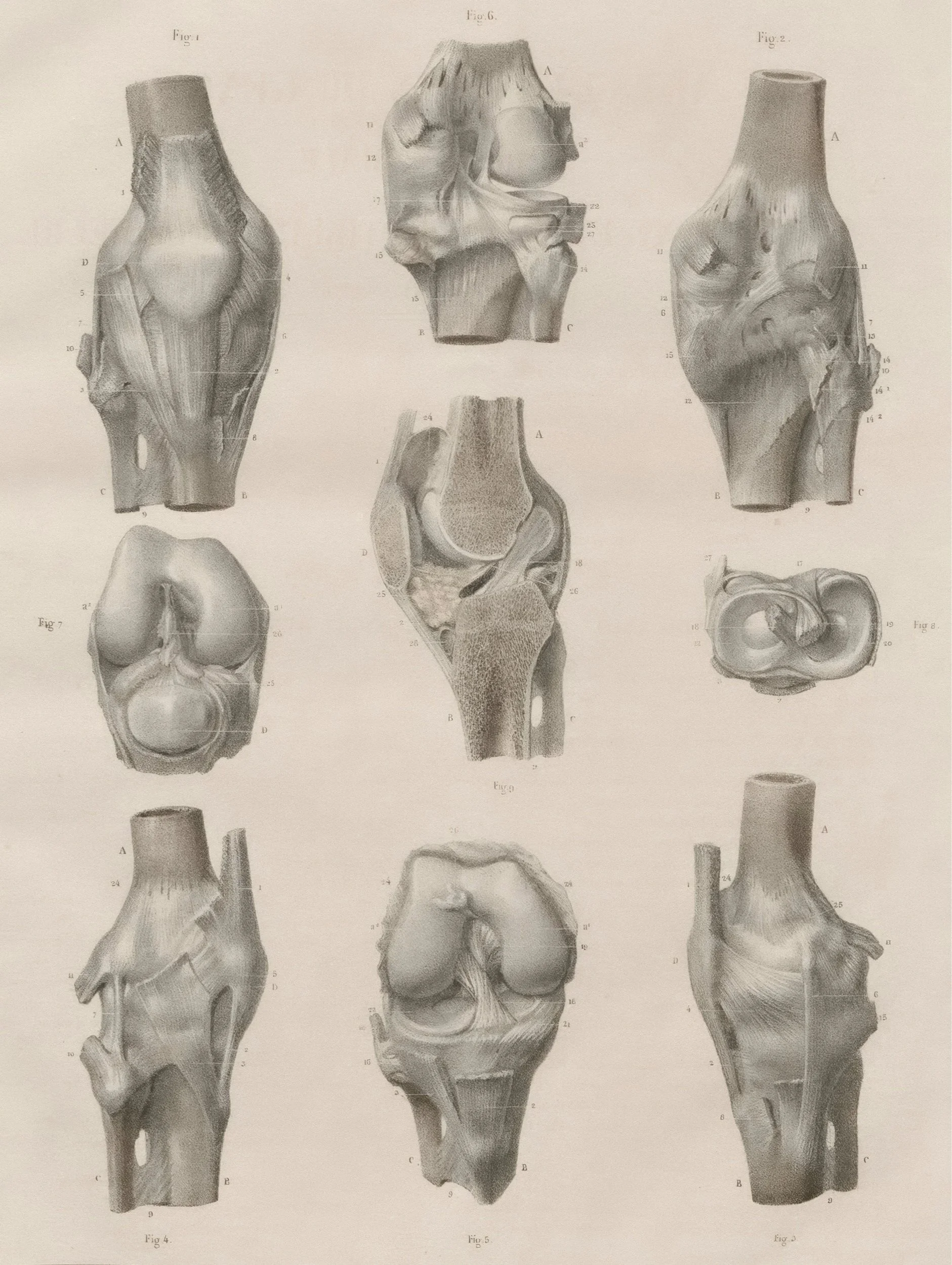
Patellofemoral Pain Syndrome (PFP): This condition can often cause crepitus in the knee cap due to tracking issues of the kneecap (patella) over the femoral groove.
Significance: When this type of crepitus is accompanied by pain and stiffness, it can be ideal to get in touch with a Physiotherapist to have an assessment and help discuss treatment options.
-
Mechanism: This can potentially occur when a “tight” ligament or tendon snaps over a bony prominence during movement.
Example: Snapping Hip Syndrome where the IT band or Iliopsoas tendon catches and releases over the hip bone.
Significance: Usually related to muscle tightness or an imbalance, and treatable with flexibility and strengthening exercises in most cases.
When Is Crepitus a Problem & when to seek help?
In many cases, most people experience some form of joint cracking or clicking without actual issues. Movement and exercise is often the best medicine for painless crepitus.
However, it is ideal to plan an appointment with your GP or Physiotherapist if you experience crepitus accompanied by any of these "Red Flag" symptoms:
Consistent Pain - May Indicate friction, inflammation, or damage to joint.
Swelling - Can suggest active inflammation (e.g., flare-up of arthritis?).
Locking or Catching - May indicate a loose body (bone fragment) within the joint or a meniscal tear (in the knee).
Loss of Movement or Function - Difficulty weight bearing, mobilising, reduced range of motion, or joint instability.
Physiotherapy for Crepitus:
Address Potential Muscle Imbalances: Crepitus is often a symptom of muscle weakness allowing poor joint tracking.
Plan: Strengthen the muscles that stabilise the joint. For example, knee crepitus, focus on the VMO (part of quadriceps) and the gluteal muscles (Gluteus Medius and Maximus).
Goal: To improve the alignment of the patella, making its movement smoother and quieter.
Improve Joint Mobility & Flexibility:
Plan: Increase flexibility in certain areas, such as the hamstrings, hip flexors, or pectoral muscles (for shoulder issues). Manual therapy techniques, like joint mobilisation or gentle exercises.
Personalised Exercise Prescription: Potentially utilising lower-impact exercises designed to build strength without aggravating the joint and causing increased pain.
Activity & Lifestyle Modification: To adjust and recommend daily activities to reduce painful clicking and grinding.
